5.7 Choose the output format: inline, artifact or structured data
- Status
- stable
- Owner
- Panaversity
- Approved
- Panaversity ·
In everyday life. You send a quick text to say you are late, a birthday card that someone keeps, and a form that the bank's system reads.
Who or what reads the result next decides its format.
- Inline. In the chat itself. A person reads it once, now: a quick check, an explanation, a short list. No separate file is needed.
- Artifact. A file or document of its own. A person keeps, edits, shares or approves it: a memo, a document, a slide deck, a spreadsheet. Name the type, the audience and where it must go.
- Structured data. A system or a later step reads it: a CSV file, a JSON record, a table with fixed columns. Name every field (column) and its type (date, number or text). Ask for one row per item, say how to mark a missing value, and say "no prose", meaning no paragraphs around the rows.
For the payment run, the structured-data line can read like this. "One row per open invoice, with these columns: invoice_no, vendor_name, due_date, amount, currency, action, reason, policy_section. If you cannot fill a field, leave it blank and say why in the reason column. No prose."
One task can need all three. Brightline's payment run does: a proposal CSV that a program checks, a one-page memo for Dave, and a three-line note to Maria in the chat. Each reader gets the shape it can use.
Format also organizes the content. In an artifact, start with what the reader must decide: "Approve Midwest Packaging 4519, decide on the Canadian invoice, then sign the run." Group items by what the reader will do with them, not by the order in which the worker found them. For example, put the invoices to approve together, and the ones on hold together.
Format decides what you can check. A CSV with one row per open invoice can be checked by a machine: the row count matches the invoice list, the totals add up, and every row has an action. Two pages of prose are hard to check except by reading them. When a decision depends on the result, ask for a shape you can check.
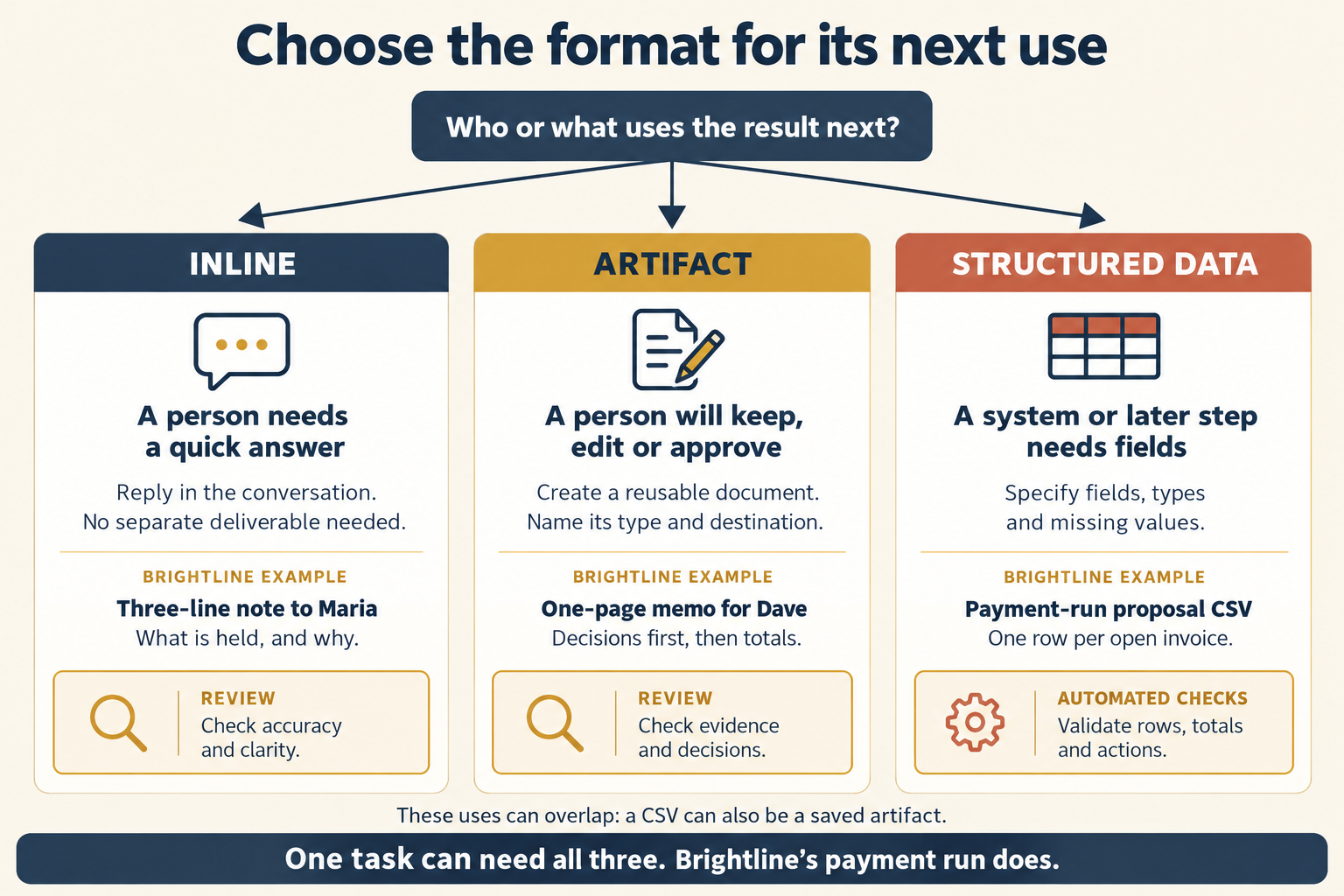
Figure 5.4. Who reads it next decides the format.
Check yourself
Question 1 / 8 · blueprint
0 answered
The accounting system will import the result. Which format?
5.6 Adapt the brief to the task type
What to set tightly and what to leave open for research, analysis, drafting, extraction and brainstorming.
5.8 The same brief on both AI vendors
How Anthropic's and OpenAI's own guidance matches the four parts, the one difference that changes a brief, and what stays the same on both.